



公司新闻
济南沥青料施工|热拌沥青温度有讲究,这些数值千万别搞错
济南沥青料施工|热拌沥青温度有讲究,这些数值千万别搞错
Jinan Asphalt Material Construction | Hot Mix Asphalt Temperature is Important, Don't Mistake These Values
济南搞公路施工、市政养护的朋友们,还有经常关注道路建设的伙计们,估计都有一个疑问:公路铺热拌沥青,温度到底要控制在多少度?看似是个简单的数值问题,实则直接关系到沥青路面的质量和使用寿命——温度太高,沥青容易老化、烧损,路面用不了几年就会开裂、起砂;温度太低,沥青和集料融合不充分,碾压不密实,后期容易出现松散、坑洼,返工又费钱又费力。今天就实打实地跟大伙唠唠济南沥青料(热拌沥青)施工的温度要求,把关键数值讲透彻,帮大家避开施工误区,铺出耐用又平整的沥青路面。
Friends who are engaged in highway construction and municipal maintenance in Jinan, as well as those who often pay attention to road construction, probably have a question: how much temperature should be controlled when laying hot mix asphalt on highways? Seemingly a simple numerical problem, it is actually directly related to the quality and service life of asphalt pavement - if the temperature is too high, the asphalt is prone to aging and burning, and the pavement will crack and sand up within a few years; The temperature is too low, and the fusion of asphalt and aggregate is not sufficient, resulting in insufficient compaction. In the later stage, looseness and potholes are prone to occur, and rework is costly and laborious. Today, I will talk to you about the temperature requirements for the construction of Jinan asphalt (hot mix asphalt) in a practical way, explain the key values thoroughly, help you avoid construction misunderstandings, and pave a durable and smooth asphalt pavement.
先跟大家明确一点,咱们平时公路施工用的济南沥青料,大多是热拌沥青混合料,它的施工温度不是一个固定值,而是分多个环节、有不同的控制标准,从沥青和集料的加热,到混合料出料、摊铺、碾压,每个环节的温度都有严格要求,一环都不能出错。咱们一个个说,大家记好,以后施工的时候对照着来,准没错。
First of all, let me make it clear to everyone that most of the Jinan asphalt materials we use for highway construction are hot mix asphalt mixtures. The construction temperature is not a fixed value, but is divided into multiple stages with different control standards. From heating the asphalt and aggregates to discharging, spreading, and rolling the mixture, each stage has strict temperature requirements, and no one can make mistakes. Let's talk about it one by one, remember it well, and compare it with each other during future construction. It's definitely correct.
第一个关键环节,就是沥青和集料的加热温度,这是热拌沥青施工的基础,温度控制不好,后续再怎么补救都没用。根据济南本地公路施工的常规标准,沥青的加热温度,一般要控制在170℃左右,这个温度既能保证沥青充分融化、具备良好的流动性,又能避免沥青因温度过高而老化变质,影响粘结力。
The first key step is the heating temperature of asphalt and aggregate, which is the foundation of hot mix asphalt construction. If the temperature control is not good, no further remedial measures will be effective. According to the conventional standards for local highway construction in Jinan, the heating temperature of asphalt should generally be controlled at around 170 ℃. This temperature can ensure that the asphalt fully melts and has good fluidity, while also avoiding aging and deterioration of the asphalt due to high temperature, which affects the bonding strength.
而集料的加热温度,要比沥青稍高一些,通常在185~190℃之间。可能有朋友会问,为啥集料要加热到更高温度?其实很简单,集料加热温度高一点,和沥青混合的时候,才能更好地吸收沥青的热量,让两者充分融合,避免出现“冷料裹热沥青”的情况,确保混合料的均匀度和粘结力,这样铺出来的路面才更扎实、更耐用。
The heating temperature of aggregate is slightly higher than that of asphalt, usually between 185~190 ℃. Some friends may ask, why do aggregates need to be heated to a higher temperature? It's actually quite simple. When the aggregate is heated at a higher temperature and mixed with asphalt, it can better absorb the heat of the asphalt, allowing the two to fully blend and avoid the situation of "cold material wrapped in hot asphalt". This ensures the uniformity and bonding strength of the mixture, making the road surface more solid and durable.
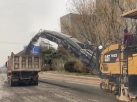
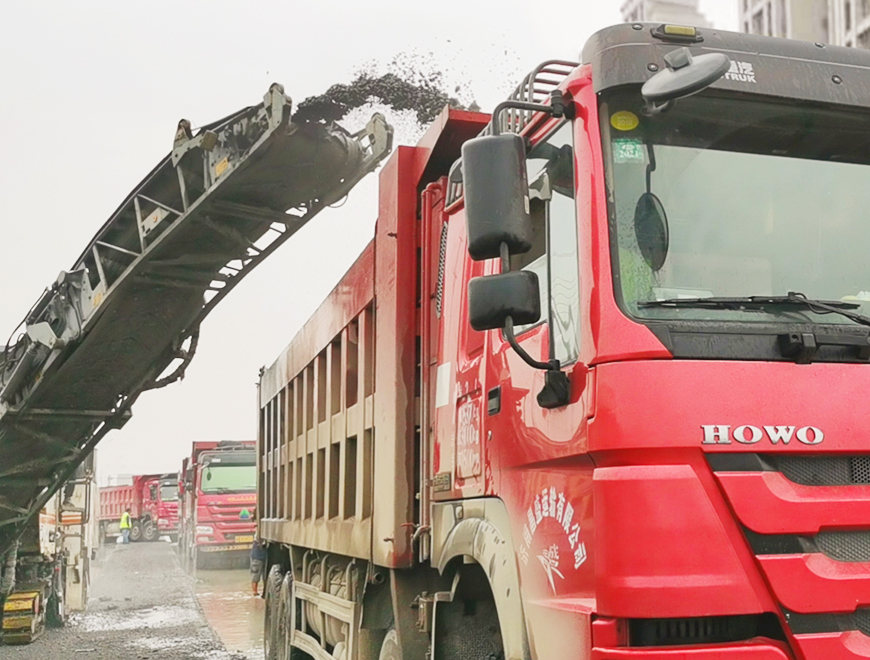
加热完成后,沥青和集料混合成热拌沥青混合料,此时的出料温度也有明确要求。根据我们济南本地施工的实测数据,混合料的出料温度,一般在179~185℃之间,综合下来平均温度大概是181.8℃。这个温度范围是经过多次实践验证的,既能保证混合料在运输过程中不会快速降温,又能避免出料温度过高,导致沥青老化,影响施工质量。
After heating, the asphalt and aggregate are mixed into a hot mix asphalt mixture, and the discharge temperature at this time is also clearly required. According to the actual measurement data of our local construction in Jinan, the discharge temperature of the mixture is generally between 179~185 ℃, and the average temperature is about 181.8 ℃ overall. This temperature range has been verified through multiple practices, ensuring that the mixture does not rapidly cool down during transportation and avoiding excessive discharge temperature, which can cause asphalt aging and affect construction quality.
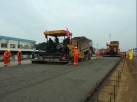
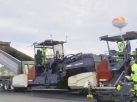
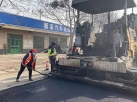
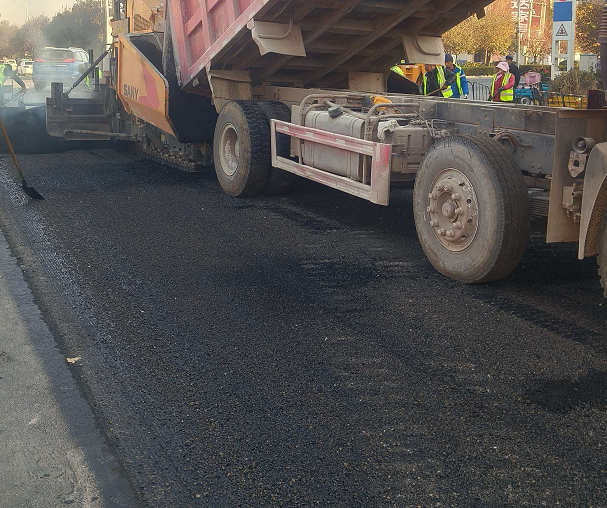
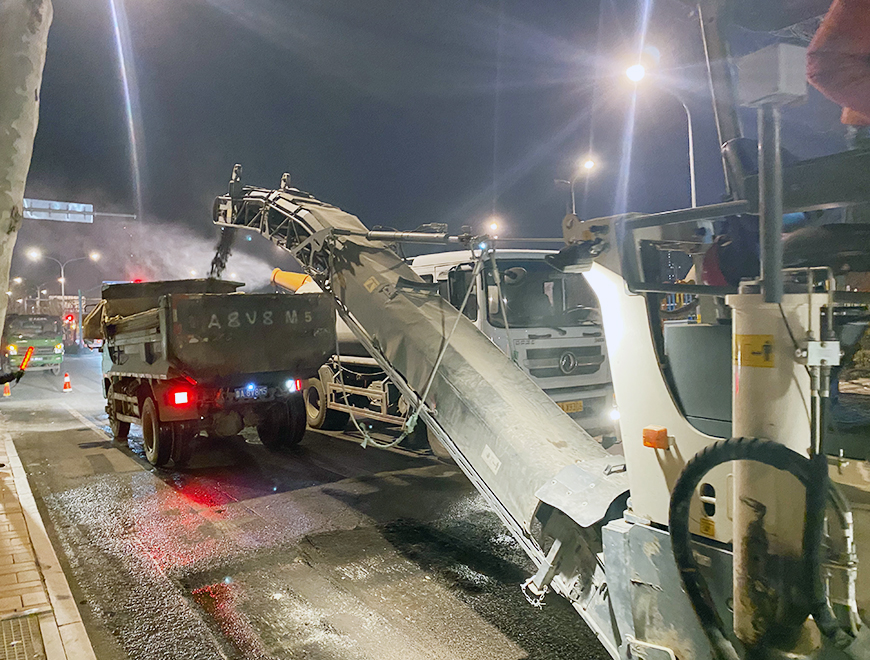
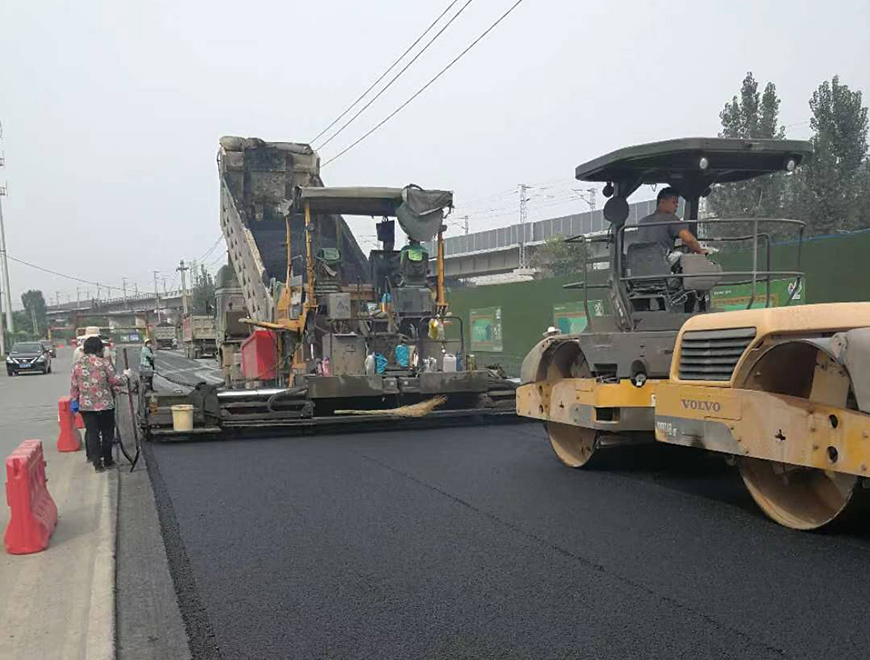
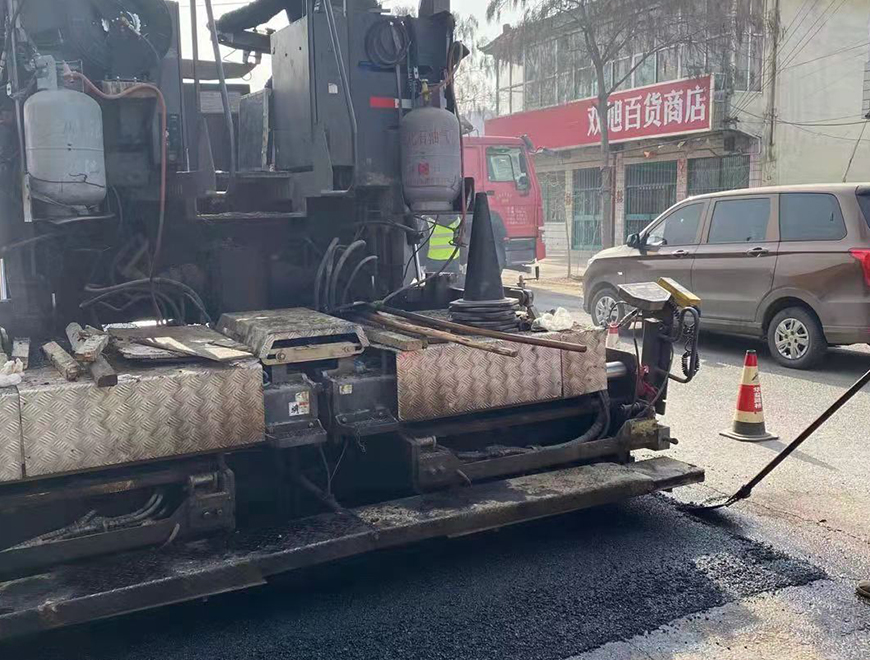
接下来就是摊铺环节,这是决定路面平整度的关键,温度控制同样不能马虎。在济南正常天气(气温15~25℃)施工的情况下,热拌沥青混合料的摊铺温度,不应低于125~140℃;如果遇到低温天气,比如春秋季早晚温差大,或者冬季施工,摊铺温度就需要相应提高,不应低于135~160℃。
The next step is the paving process, which is the key to determining the smoothness of the road surface, and temperature control cannot be taken lightly. Under normal weather conditions (temperature 15-25 ℃) during construction in Jinan, the paving temperature of hot mix asphalt mixture should not be lower than 125-140 ℃; If encountering low-temperature weather, such as large temperature differences between morning and evening in spring and autumn, or winter construction, the paving temperature needs to be raised accordingly, and should not be lower than 135-160 ℃.
很多施工队在济南低温施工时,容易忽略这个温度要求,摊铺温度不够,沥青混合料流动性差,铺出来的路面就会不平整,还容易出现接缝不严、松散等问题,后期使用中很容易出现坑洼。所以大家一定要记住,低温施工,摊铺温度必须相应提高,宁可多等一会儿升温,也不能勉强施工。
Many construction teams in Jinan tend to overlook this temperature requirement during low-temperature construction, resulting in insufficient paving temperature, poor flowability of asphalt mixture, uneven road surface, loose joints, and easy potholes during later use. So everyone must remember that during low-temperature construction, the paving temperature must be raised accordingly. It is better to wait a little longer for the temperature to rise than to force construction.
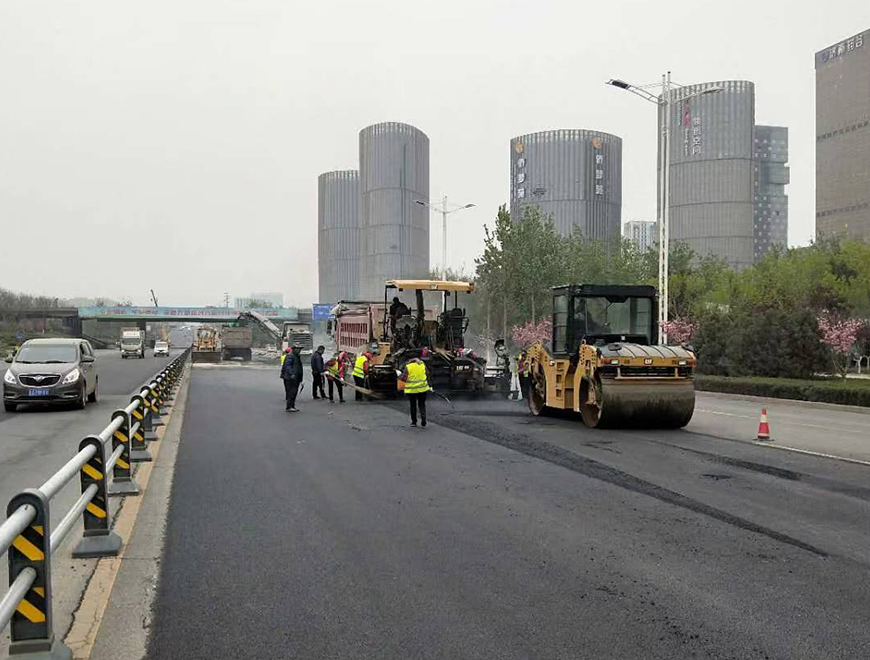
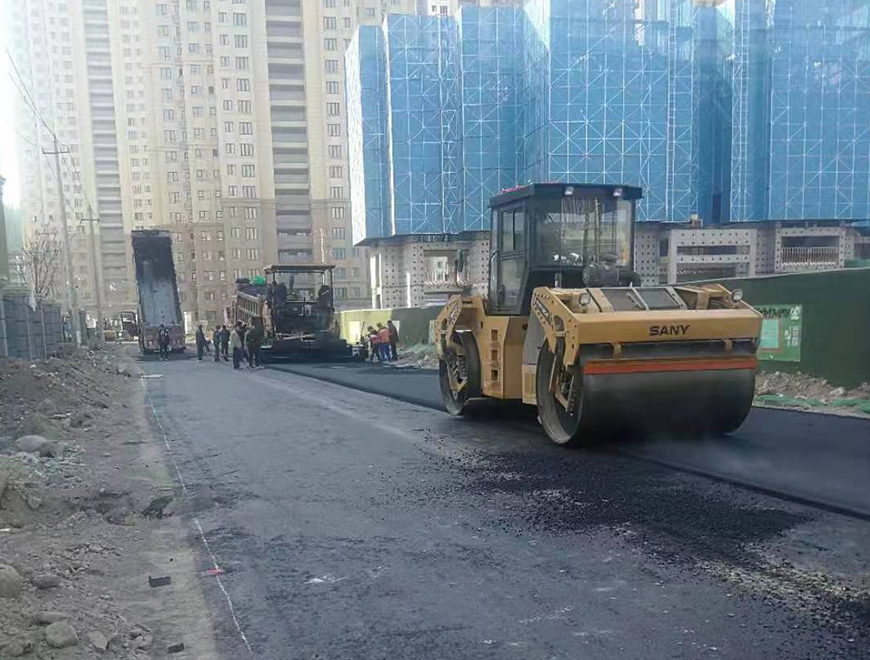
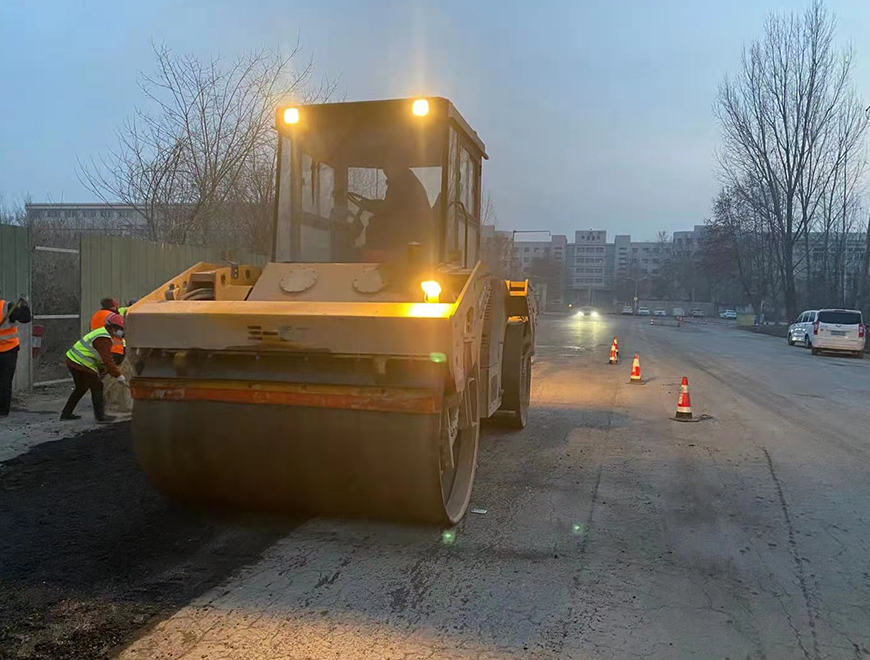
最后一个关键环节,就是碾压温度,这直接关系到路面的密实度。碾压不能太早,也不能太晚,温度太高碾压,容易导致路面推移、起拱;温度太低碾压,混合料已经凝固,根本压不密实,路面空隙大,容易渗水、损坏。
The last crucial step is the compaction temperature, which directly affects the compactness of the road surface. Rolling should not be done too early or too late. Rolling at high temperatures can easily cause the road surface to shift and arch; If the temperature is too low for compaction, the mixture has already solidified and cannot be compacted at all. The road surface has large gaps and is prone to water seepage and damage.
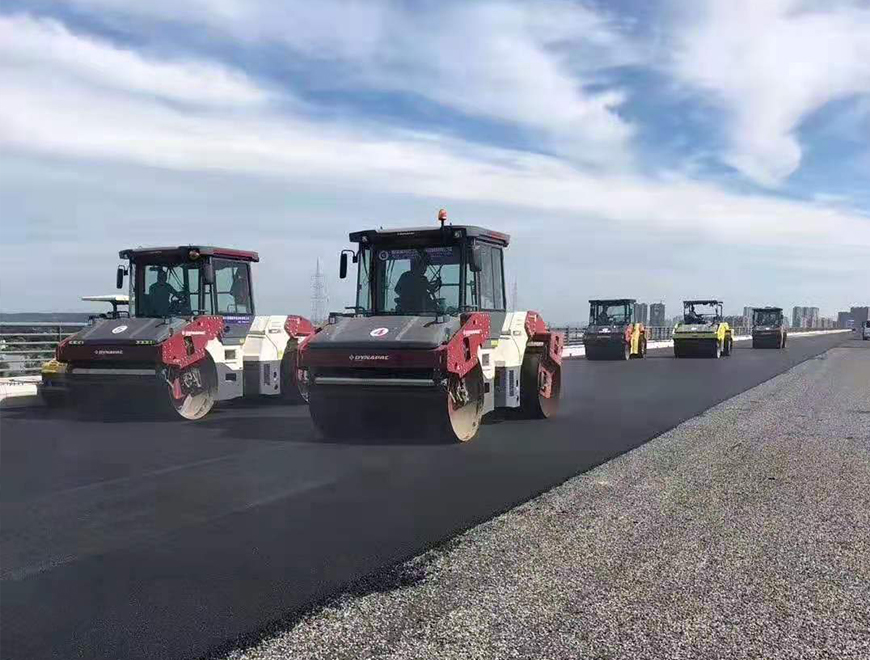
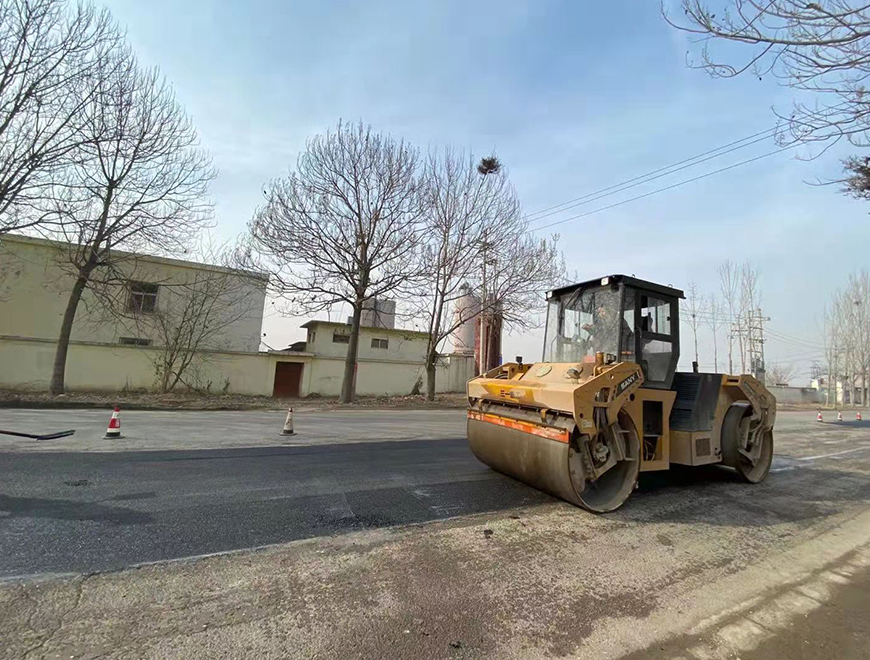
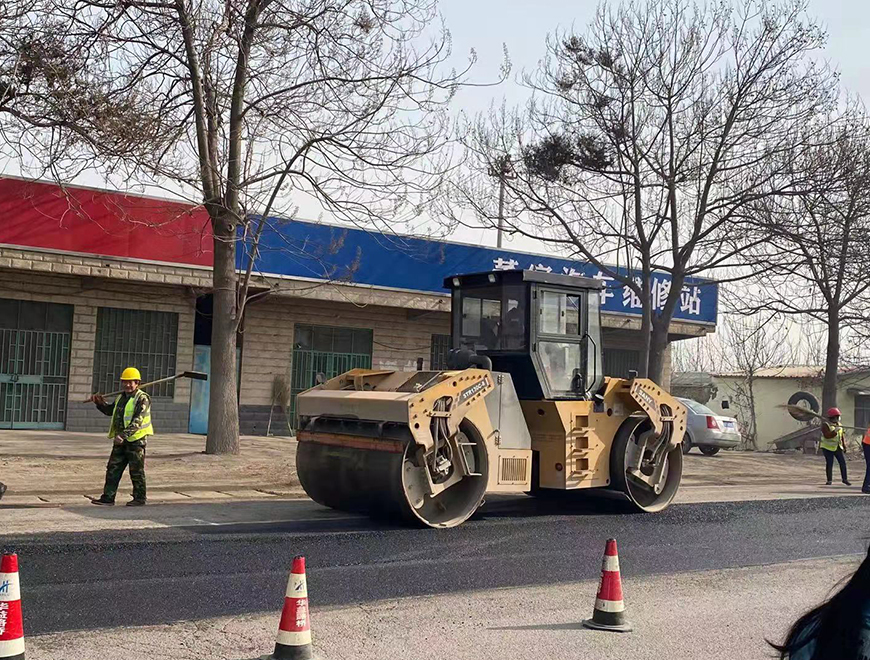
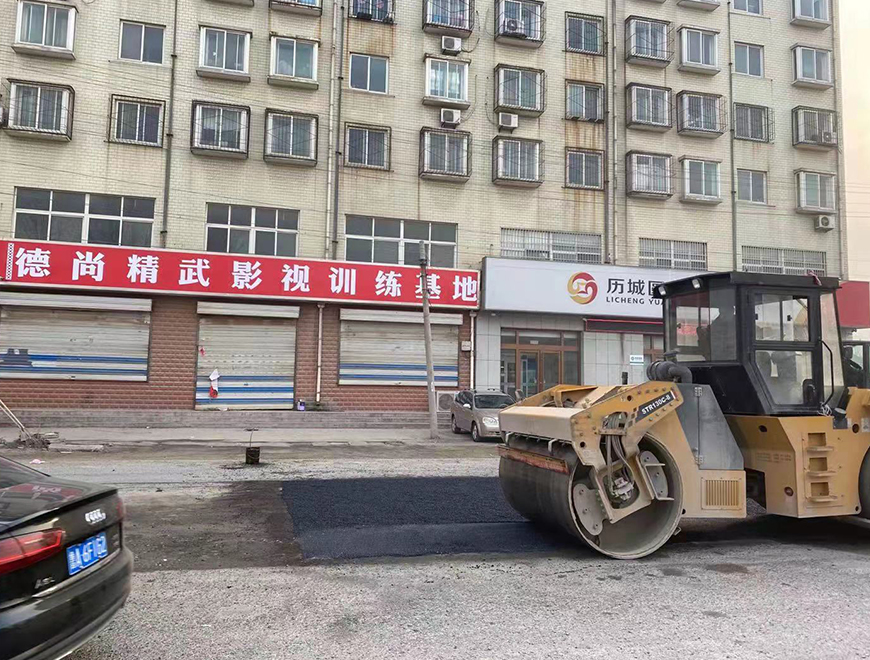
根据济南沥青料施工的常规要求,热拌沥青混合料开始碾压的温度范围,通常在120~150℃之间,这个温度下,混合料流动性好,容易被碾压密实,又不会出现推移现象。而碾压终止的温度,也有明确标准,一般应控制在60~85℃之间,只要温度不低于这个范围,就能保证碾压效果,让路面达到规定的密实度,延长使用寿命。
According to the conventional requirements for asphalt construction in Jinan, the temperature range for starting rolling of hot mix asphalt mixture is usually between 120-150 ℃. At this temperature, the mixture has good flowability, is easily compacted by rolling, and does not experience displacement. The temperature at which rolling is terminated also has clear standards, generally controlled between 60~85 ℃. As long as the temperature is not lower than this range, the rolling effect can be ensured, the road surface can reach the specified density, and the service life can be extended.
在这里跟济南搞公路施工的朋友们提个醒,热拌沥青施工的温度控制,看似繁琐,实则都是为了保证路面质量。济南的气候四季分明,春秋季温差大,夏季炎热、冬季寒冷,不同季节施工,温度控制还要结合当天的气温灵活调整,不能生搬硬套数值。
Here, let's remind friends who are engaged in highway construction in Jinan that the temperature control of hot mix asphalt construction may seem cumbersome, but in fact, it is all to ensure the quality of the road surface. Jinan has a distinct climate with four seasons, with large temperature differences between spring and autumn, hot summers, and cold winters. When construction is carried out in different seasons, temperature control must be flexibly adjusted according to the temperature of the day, and numerical values cannot be blindly applied.
很多施工队之所以铺出来的沥青路面不耐用,不是沥青料质量不好,而是忽略了温度控制这个关键环节,要么加热温度不够,要么摊铺、碾压温度不达标,看似省了时间,后期却要花费大量的人力、物力返工,得不偿失。
The reason why many construction teams have laid asphalt pavements that are not durable is not due to poor quality of asphalt materials, but because they have ignored the key link of temperature control. Either the heating temperature is not enough, or the paving and rolling temperatures do not meet the standards. Although it seems to save time, it requires a lot of manpower and material resources to rework in the later stage, which is not worth the loss.
总结一下,济南沥青料(热拌沥青)施工,各个环节的温度都有讲究:沥青加热170℃左右,集料185~190℃,出料179~185℃,正常摊铺不低于125~140℃,低温摊铺不低于135~160℃,碾压起始120~150℃、终止60~85℃。记住这些数值,严格控制施工温度,才能铺出平整、耐用的沥青路面。如果大家在济南沥青料施工中,对温度控制还有疑问,欢迎留言咨询,记得点赞关注,后续再分享更多施工实用技巧。
To summarize, in the construction of Jinan asphalt (hot mix asphalt), the temperature at each stage is carefully considered: heating the asphalt at around 170 ℃, aggregate at 185-190 ℃, discharging at 179-185 ℃, normal paving at no less than 125-140 ℃, low-temperature paving at no less than 135-160 ℃, rolling starting at 120-150 ℃ and ending at 60-85 ℃. Remember these values and strictly control the construction temperature in order to lay a smooth and durable asphalt pavement. If you have any questions about temperature control during asphalt construction in Jinan, please feel free to leave a message for consultation. Remember to like and follow us, and we will share more practical construction techniques in the future.





 公司地址:济南市商河县贾庄镇民营经济创业园
 公司名称:永诚广建公路材料(山东)有限公司
  备案号:
备案号: