



行业资讯
济南沥青料施工|70号沥青混合料,各环节温度控制要点详解
济南沥青料施工|70号沥青混合料,各环节温度控制要点详解
Jinan Asphalt Material Construction | Detailed Explanation of Temperature Control Points in Each Step of No.70 Asphalt Mixture
济南搞公路施工、市政养护的朋友们,想必都清楚,沥青路面施工,温度控制是重中之重,尤其是咱们常用的70号沥青混合料,每个施工环节的温度都有明确标准,一丝一毫都不能马虎。很多施工队铺出来的沥青路面,用不了多久就出现开裂、松散、坑洼,大多不是沥青料质量问题,而是温度控制不到位。今天就实打实地跟大伙唠唠,济南沥青料施工中,70号沥青混合料各环节的温度要求,把每个数值讲明白、讲透彻,帮大家避开施工误区,铺出平整耐用的沥青路面。
Friends who are engaged in highway construction and municipal maintenance in Jinan must be aware that temperature control is of utmost importance in asphalt pavement construction, especially for our commonly used No. 70 asphalt mixture. The temperature at each construction stage has clear standards and cannot be taken lightly. Many construction teams often produce asphalt pavement that cracks, becomes loose, and has potholes before long. Most of these issues are not related to the quality of the asphalt material, but rather due to inadequate temperature control. Today, I will have a practical talk with everyone about the temperature requirements for each link of the No. 70 asphalt mixture in Jinan asphalt construction. I will explain each value clearly and thoroughly, helping everyone avoid construction misunderstandings and pave a smooth and durable asphalt pavement.
先跟大家明确,70号沥青混合料是济南公路、市政道路施工中最常用的类型,不管是主干道翻新、次干道铺设,还是小区道路、乡村公路施工,都能见到它的身影。它的施工温度控制,贯穿从沥青、矿料加热,到料仓贮存、运输、摊铺、碾压,再到开放交通的全过程,每个环节环环相扣,一个环节温度不达标,就会影响整体施工质量。
First of all, let me clarify that No. 70 asphalt mixture is the most commonly used type in the construction of highways and municipal roads in Jinan. Whether it is the renovation of main roads, the laying of secondary roads, or the construction of residential and rural roads, its presence can be seen. Its construction temperature control runs through the entire process from heating asphalt and mineral materials, to storage, transportation, paving, rolling, and open traffic. Each link is interrelated, and if the temperature in one link does not meet the standard, it will affect the overall construction quality.
第一个关键环节,就是沥青和矿料的加热温度,这是施工的基础,也是最容易出错的地方。根据济南本地施工规范,70号沥青混合料的沥青加热温度,要严格控制在155~165℃之间,这个温度范围既能保证沥青充分融化,具备良好的粘结力和流动性,又能避免沥青因温度过高而老化、烧损,影响路面的使用寿命。
The first key step is the heating temperature of asphalt and mineral materials, which is the foundation of construction and also the most prone to errors. According to the local construction standards in Jinan, the heating temperature of asphalt mixture No. 70 should be strictly controlled between 155~165 ℃. This temperature range can ensure that the asphalt is fully melted, has good adhesion and fluidity, and can also avoid aging and burning of the asphalt due to high temperature, which affects the service life of the road surface.
而矿料的加热温度,要比沥青稍高一些,具体高10~30℃,也就是说,矿料加热温度大概在165~195℃之间。可能有朋友会问,为啥矿料要加热得更高?其实很简单,矿料温度高一点,和沥青混合时,才能更好地吸收沥青的热量,让两者充分融合,避免出现“冷料裹热沥青”的情况,确保混合料均匀细腻,铺出来的路面才更扎实。
The heating temperature of mineral aggregate is slightly higher than that of asphalt, specifically 10-30 ℃ higher, which means that the heating temperature of mineral aggregate is approximately between 165-195 ℃. Some friends may ask, why do minerals need to be heated higher? It's actually quite simple. When the temperature of the mineral aggregate is higher, it can better absorb the heat of the asphalt when mixed with it, allowing the two to fully blend and avoid the situation of "cold material wrapped in hot asphalt". This ensures that the mixture is uniform and delicate, and the road surface laid is more solid.
加热完成后,混合料会存入料仓,这一步的温度控制也不能忽视。料仓贮存期间,注料过程中的温度降低不能超过10℃,比如沥青和矿料混合后温度是160℃,注料完成后,温度最低不能低于150℃,这样才能保证混合料的流动性和粘结力,避免存入料仓后凝固结块,影响后续出料和摊铺。
After heating is completed, the mixture will be stored in the silo, and temperature control in this step cannot be ignored. During the storage period of the silo, the temperature drop during the injection process should not exceed 10 ℃. For example, the temperature of asphalt and mineral mixture should be 160 ℃. After the injection is completed, the minimum temperature should not be lower than 150 ℃ to ensure the fluidity and bonding strength of the mixture and avoid solidification and agglomeration after storage in the silo, which may affect subsequent discharge and paving.
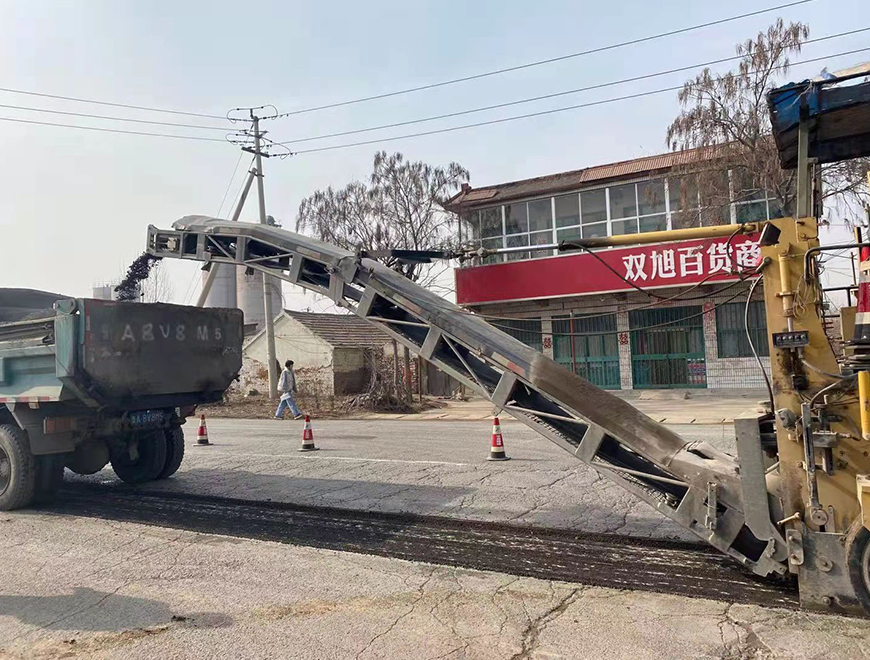
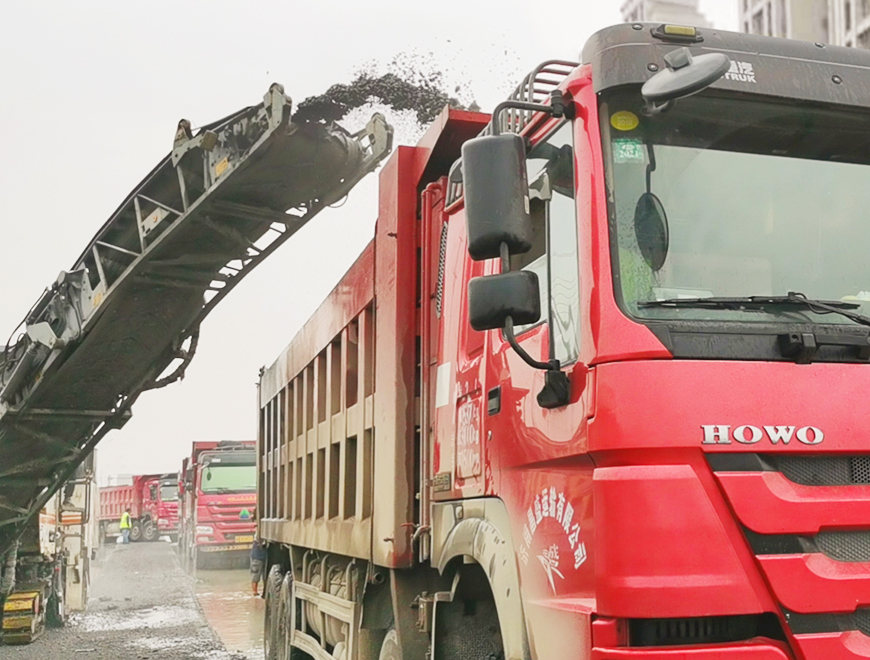
接下来是运输环节,混合料从料仓运到施工场地,温度会有自然损耗,咱们济南施工对此也有明确要求:混合料到场温度不能低于145℃。如果运输距离较远,或者遇到低温天气,一定要做好保温措施,比如给运输车辆加盖保温篷布,避免温度下降过快,达不到摊铺要求,勉强摊铺只会影响路面平整度和密实度。
The next step is the transportation process. The mixture is transported from the silo to the construction site, and there will be natural temperature loss. Our Jinan construction also has clear requirements for this: the temperature of the mixture on site cannot be lower than 145 ℃. If the transportation distance is long or in low-temperature weather, insulation measures must be taken, such as covering the transportation vehicle with insulation tarpaulin, to avoid rapid temperature drop and failure to meet the paving requirements. Forced paving will only affect the smoothness and compactness of the road surface.
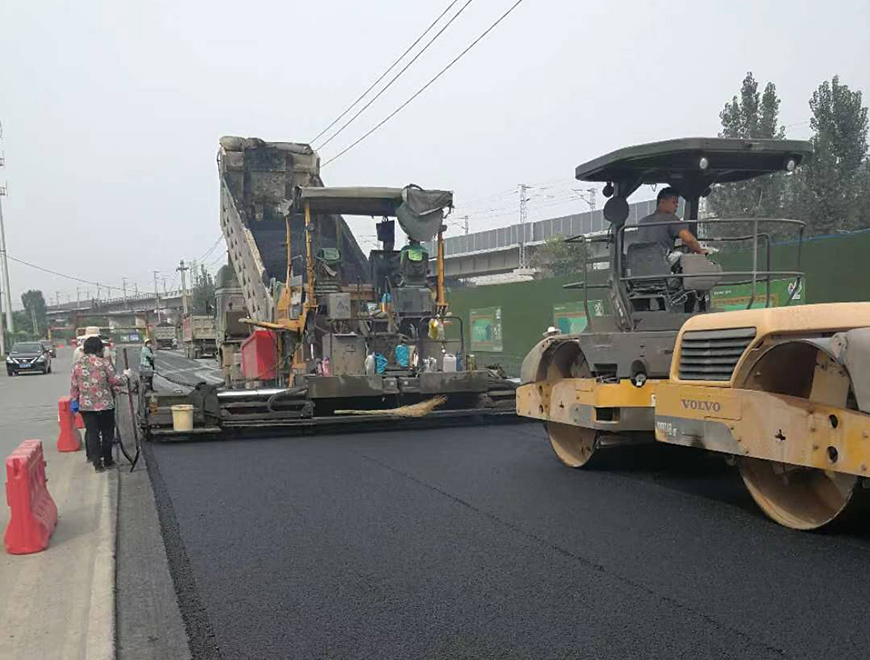
摊铺环节,是决定路面平整度的核心,温度控制更是马虎不得。在济南正常天气(气温10℃以上)施工时,70号沥青混合料的摊铺温度,不能低于135℃;如果遇到低温天气,比如春秋季早晚温差大,摊铺温度就要相应提高,不能低于150℃,这样才能保证混合料流动性良好,铺出来的路面平整光滑,避免出现接缝不严、起拱等问题。
The paving process is the core that determines the smoothness of the road surface, and temperature control must not be taken lightly. During normal weather (temperature above 10 ℃) construction in Jinan, the paving temperature of No. 70 asphalt mixture cannot be lower than 135 ℃; If encountering low-temperature weather, such as large temperature differences between morning and evening in spring and autumn, the paving temperature should be correspondingly increased, not lower than 150 ℃, in order to ensure good fluidity of the mixture, smooth and even pavement, and avoid problems such as loose joints and arching.
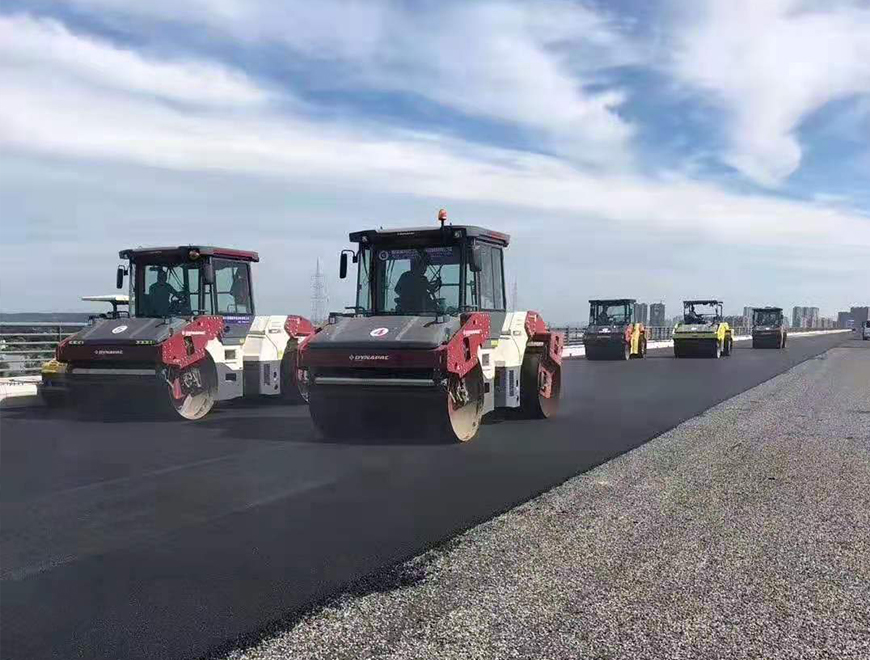
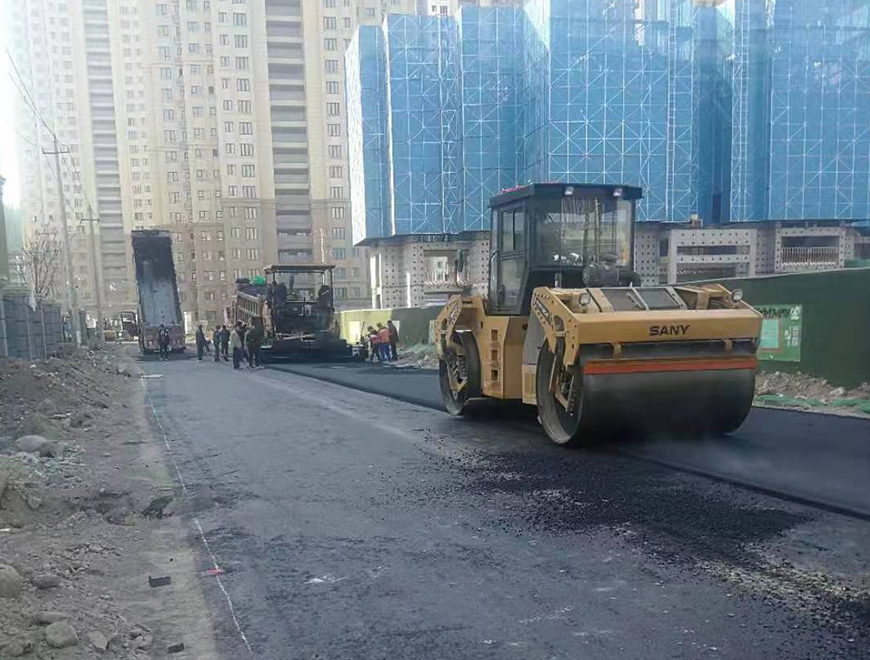
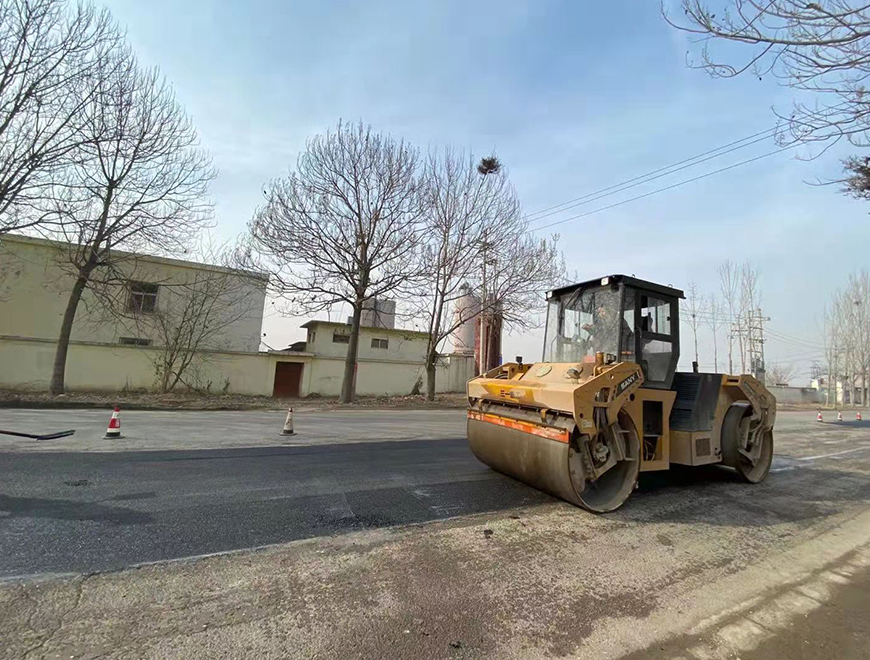
碾压环节,温度控制直接关系到路面的密实度,这一步要分清楚初压、复压、终压的温度要求,不能混淆。初压温度不能低于110℃,这个温度下,混合料流动性好,容易被碾压密实,又不会出现推移现象;复压温度要控制在80~100℃之间,通过反复碾压,进一步提升路面密实度;终压温度不能低于65℃,确保路面碾压到位,没有空隙,减少后期渗水、损坏的隐患。
In the compaction process, temperature control is directly related to the compactness of the road surface. This step should clearly distinguish the temperature requirements for initial compaction, re compaction, and final compaction, and should not be confused. The initial compaction temperature should not be lower than 110 ℃. At this temperature, the mixture has good flowability, is easily compacted by rolling, and there will be no displacement phenomenon; The re compaction temperature should be controlled between 80-100 ℃, and through repeated rolling, the compactness of the road surface can be further improved; The final compaction temperature should not be lower than 65 ℃ to ensure that the road surface is compacted properly without gaps, reducing the hidden dangers of water seepage and damage in the later stage.
还有一个容易被忽略的要点,就是开放交通的温度要求。很多施工队碾压完成后,就急于开放交通,这样很容易损坏路面。正确的做法是,等到沥青路面表面温度不高于50℃,或者终压完成4小时后,才能开放交通,这样才能保证路面完全凝固成型,具备足够的承载力。
Another easily overlooked point is the temperature requirement for open transportation. Many construction teams rush to open up traffic after compaction is completed, which can easily damage the road surface. The correct approach is to wait until the surface temperature of the asphalt pavement does not exceed 50 ℃, or until the final compaction is completed for 4 hours, before opening up traffic, in order to ensure that the pavement is completely solidified and has sufficient bearing capacity.
最后跟济南的施工朋友们提个醒,施工天气也很关键。70号沥青混合料施工,要求施工天气温度在10℃以上,雨雪、冰冻天气,或者路面潮湿的情况下,坚决不能施工。济南四季分明,春秋季温差大,冬季寒冷,夏季炎热,施工时要结合当天的实际气温,灵活调整各环节温度,不能生搬硬套数值。
Finally, let's remind our construction friends in Jinan that construction weather is also crucial. The construction of asphalt mixture No. 70 requires that the construction weather temperature be above 10 ℃. Construction must not be carried out in rainy, snowy, frozen weather, or when the road surface is damp. Jinan has distinct four seasons, with large temperature differences between spring and autumn, cold winters, and hot summers. During construction, it is necessary to flexibly adjust the temperature of each link based on the actual temperature of the day, and not blindly apply numerical values.
总结一下,济南沥青料施工中,70号沥青混合料各环节温度控制要点要记牢:沥青加热155~165℃,矿料加热比沥青高10~30℃,料仓注料降温不超10℃,到场温度不低于145℃,正常摊铺不低于135℃、低温不低于150℃,初压不低于110℃、复压80~100℃、终压不低于65℃,开放交通表面温度不超50℃或终压4小时后,10℃以上可施工,雨雪潮湿天禁工。严格把控每一个环节的温度,才能铺出平整、耐用的沥青路面,少走弯路、不返工。如果大家在施工中还有疑问,欢迎留言咨询,记得点赞关注,后续再分享更多济南沥青料施工实用技巧。
To sum up, in the construction of asphalt mixture in Jinan, the key points for temperature control in each link of No. 70 asphalt mixture should be firmly remembered: heating of asphalt should be 155-165 ℃, heating of mineral aggregate should be 10-30 ℃ higher than asphalt, cooling of material injection in the silo should not exceed 10 ℃, on-site temperature should not be lower than 145 ℃, normal paving should not be lower than 135 ℃, low temperature should not be lower than 150 ℃, initial pressure should not be lower than 110 ℃, re pressure should be 80-100 ℃, final pressure should not be lower than 65 ℃, open traffic surface temperature should not exceed 50 ℃ or after 4 hours of final pressure, construction can be carried out above 10 ℃, and work is prohibited on rainy, snowy and humid days. Strictly control the temperature at every stage in order to lay a smooth and durable asphalt pavement, avoiding detours and rework. If you have any questions during construction, please feel free to leave a message for consultation. Remember to like and follow, and we will share more practical techniques for Jinan asphalt material construction in the future.






 公司地址:济南市商河县贾庄镇民营经济创业园
 公司名称:永诚广建公路材料(山东)有限公司
  备案号:
备案号: